

In our last post, we shared very helpful tips to help you survive January. The most important of those tips is having a budget and sticking to it — speaking of which, are you sticking with your budget & financial goals or should we mind our business? This is a safe space; if you aren’t, we won’t judge you… too much.
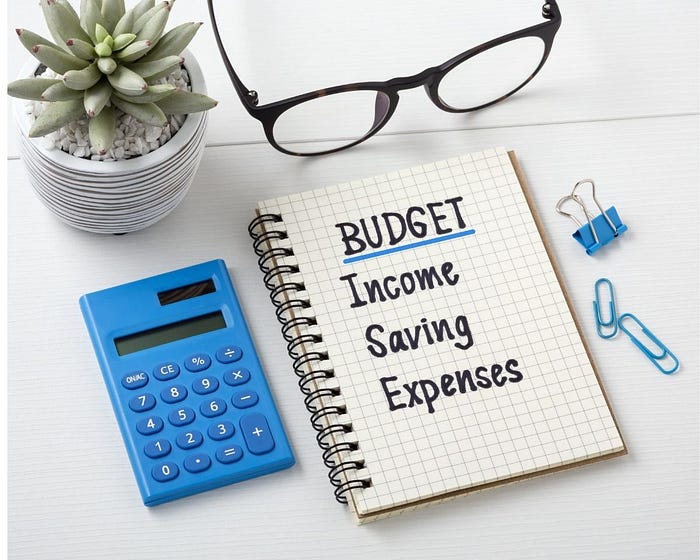
Creating a working budget isn’t just about “estimating how much you usually spend on groceries”. If this is your approach to drawing up a budget, you’re setting yourself up to fail. Budgeting goes beyond putting a cap on how much you’re allowed to spend on Uber rides each month. If you’ve already made this mistake with your January budget, don’t worry. Bvndle is here to help you plan your finances the right way (again).
A good budget starts with step 1 of this Bvndle Guide:
Step One — Conduct a Comprehensive Financial Assessment: With budgeting, there can be no room for guesswork. The first thing to do is assess your income sources and frequency of inflow. This means noting the actual sum you earn as take-home pay, and any additional income. If you’re in any debt, you must assess this as well. These figures together form the basis of your budget as they reveal exactly how much money you can spend, save and invest per time.
Step Two — Categorise Your Expenses: Now that you know exactly how much you make, you need to sort your expenses. Some things are essential expenses e.g. electricity units and others are not e.g. Sunday brunch buffets. Essential expenses are often fixed expenses which means they occur periodically — you have to buy electricity units every month. They can also be variable expenses, like groceries or transport which may vary depending on the month. Non-Essential expenses can also be variable expenses, however they are most often discretionary expenses meaning it is up to you to decide whether or not you will carry out the expense.
By categorising your expenses, you are able to identify precise areas of overspending and adjust accordingly, for instance you may find out that if you spent a little less on monthly beauty treatments, you could save up for rent in eight months instead of ten.
Step Three — Craft a Realistic Dynamic Budget: With all the insights you’ve gathered with your assessment of personal income and spending habits, you can now allocate money for all your expenses. In doing this, consider a few things:
- Prioritise your savings & investment goals: Optimising your budget involves making savings and investments a top priority. Allocate a fixed percentage of your income to an emergency fund, savings account, or retirement plan. Pro-Tip: Automate these transactions to remain consistent.
- Make sure your budget is dynamic: It is important to regularly review and adjust your budget for long-term success. Adapt your budget to accommodate life changes, income fluctuations, or unforeseen expenses. A flexible budget ensures ongoing financial success and the ability to navigate evolving circumstances.
- Negotiate bills & use cost-effective solutions: Actively manage your monthly bills by negotiating for better rates on fixed expenses. Embrace discounts and loyalty programs strategically to maximise your spending power. Savings on recurring bills accumulate over time, bolstering your financial goals.
Optimising your budget is a continuous process of adaptability. With the tips in this Bvndle Guide, you’ll know exactly what to do to successfully budget your finances.